
Understanding DeFi Protocols: A Comprehensive Guide for Beginners
Contents
Decentralized Finance, or DeFi, is transforming the financial landscape by leveraging blockchain technology to offer open and transparent financial services. Understanding DeFi protocols is essential for those interested in this innovative sector. This guide provides insight into the key components, risks, and opportunities within DeFi. By utilizing blockchain, DeFi eliminates intermediaries like banks, creating a financial ecosystem accessible to anyone with internet access. This shift towards decentralization presents benefits such as improved security, lower transaction costs, and increased financial inclusion.
What is DeFi and How Does It Work?
DeFi refers to financial services built on blockchain networks, primarily Ethereum. Unlike traditional finance, DeFi operates without intermediaries such as banks. Instead, it leverages smart contracts—self-executing contracts with terms coded within. These contracts facilitate various financial activities like lending, borrowing, and trading, offering users control and transparency.
For instance, users aiming to earn interest on digital assets can use a DeFi platform like Compound to lend cryptocurrency and earn interest without relying on a bank. This process is automated by smart contracts, ensuring efficiency and transparency.
Key DeFi Concepts: Total Value Locked and Smart Contracts
Total Value Locked (TVL) is a metric indicating the amount of assets secured in DeFi protocols, reflecting user confidence. Smart contracts, the backbone of DeFi, are crucial for executing transactions but carry risks.
Consider MakerDAO, a popular DeFi platform, which currently holds billions in TVL, indicating strong user trust. It uses smart contracts to maintain its stablecoin, DAI, pegged to the US dollar through collateralized debt positions. While efficient, these contracts can be vulnerable to bugs or exploits, highlighting the need for thorough audits.
- TVL: Reflects the total assets locked within a DeFi protocol.
- Smart Contracts: Automate transactions and enforce rules without intermediaries.
- Risks: Susceptible to bugs and exploits, requiring regular security audits.
To illustrate the importance of TVL and smart contracts, consider the following table showing some leading DeFi platforms:
Example TVL and Smart Contract Usage in DeFi Platforms
| Platform | Total Value Locked (USD) | Smart Contract Functionality |
|---|---|---|
| MakerDAO | Billions | Stablecoin minting and collateral management |
| Uniswap | Billions | Decentralized trading and liquidity provision |
| Aave | Billions | Lending and borrowing services |
This table highlights how different platforms utilize TVL and smart contracts to offer various financial services while showcasing the magnitude of assets involved.
DeFi vs. Traditional Finance
Traditional finance relies on centralized institutions to manage transactions and records. In contrast, DeFi uses decentralized networks, reducing reliance on third parties and allowing greater accessibility. This decentralization can lead to faster transactions and lower costs but introduces unique risks and challenges.
For example, during the 2008 financial crisis, many lost trust in banks due to opaque operations. DeFi, however, offers transparency through blockchain, where all transactions are publicly recorded and verifiable. This transparency can help restore trust in financial systems.
What is a DApp?
Decentralized Applications (DApps) are software applications that run on a blockchain network. In DeFi, DApps enable users to engage in activities like trading cryptocurrencies or earning interest on their holdings. Examples include Uniswap for trading and Aave for lending and borrowing.
Take Uniswap as a case study. It is a decentralized exchange allowing users to trade Ethereum-based tokens without a central authority. This is achieved through automated liquidity pools funded by users. Anyone can become a liquidity provider and earn a share of the trading fees, democratizing access to financial markets.
Understanding Smart Contract Risks
Smart contracts can be prone to programming errors or exploits. A common risk is the reentrancy attack, where an attacker repeatedly calls a function in a contract before the previous execution is complete, draining funds. Other vulnerabilities include flash loan attacks and exploits due to coding errors.
An infamous example is the DAO hack of 2016, where a reentrancy vulnerability led to the loss of millions of dollars in Ethereum. This incident underscored the importance of robust code and security practices in DeFi, prompting the community to adopt better auditing practices.
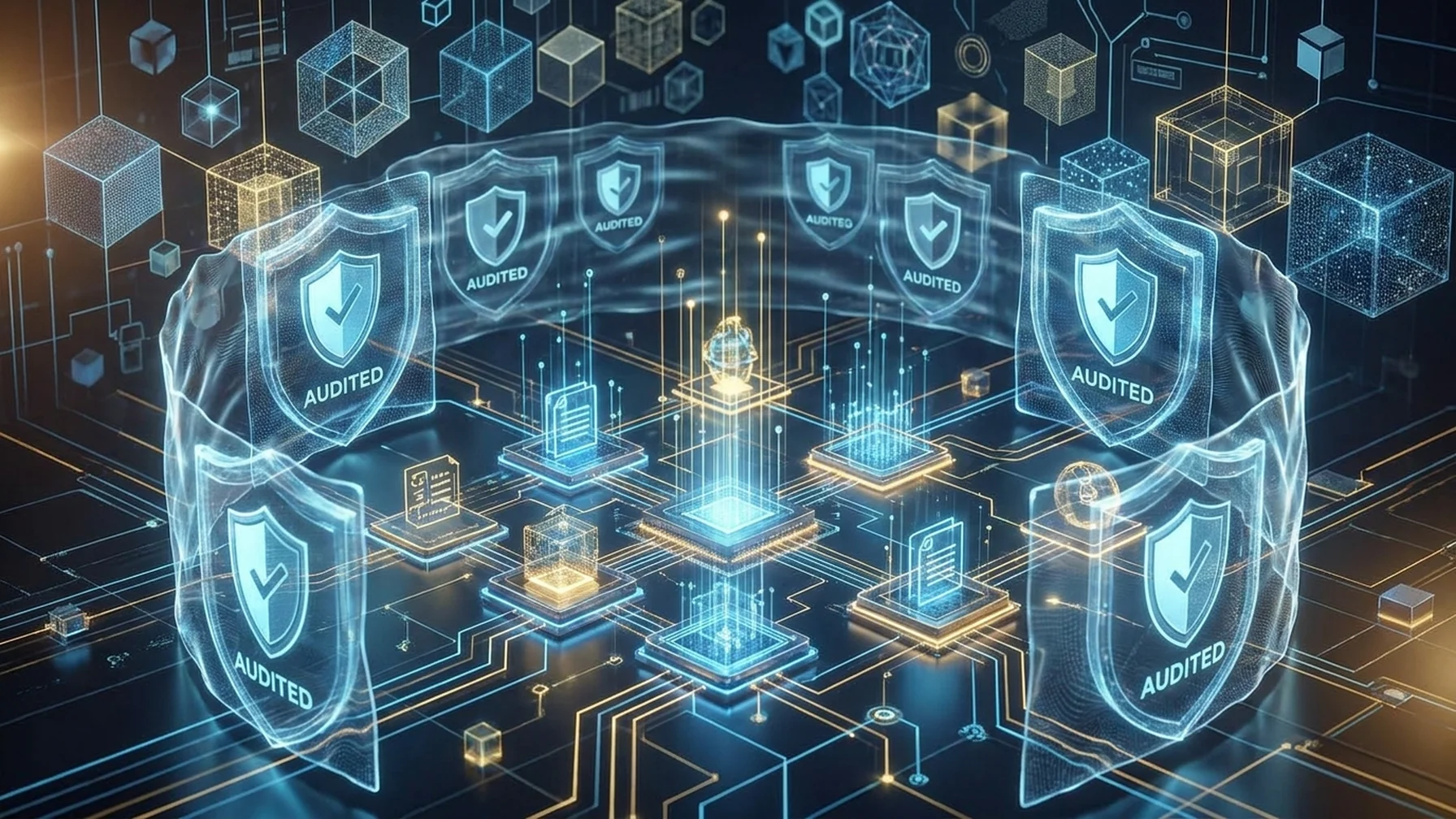
Importance of Smart Contract Audits
Smart contract audits are thorough examinations of code to identify vulnerabilities. Audits are crucial as they enhance protocol security. Auditors look for coding errors, security flaws, and potential exploits. However, even audited projects aren't completely risk-free, as audits can't predict future vulnerabilities.
For example, in 2020, a DeFi protocol called bZx suffered multiple attacks despite audits. The incidents prompted a reassessment of security measures, highlighting the dynamic nature of DeFi security and the need for continuous monitoring and updates.
How to Read an Audit Report
An audit report provides insights into a protocol's security. Key sections include identified vulnerabilities, their severity, and suggested mitigations. Understanding these elements helps users make informed decisions about participating in DeFi projects.
For example, an audit report might identify a critical vulnerability allowing unauthorized fund transfers. The report would suggest code changes or additional security mechanisms to mitigate this risk. Users should prioritize projects with transparent and comprehensive audit reports to ensure their investments are safeguarded.
Risks and Strategies in DeFi: Yield Farming and Staking
Yield farming involves lending or staking cryptocurrency to earn rewards. While it can be profitable, it carries risks like impermanent loss, where asset value changes during the staking period. Staking involves locking funds in a protocol to support operations, earning interest or rewards in return.
- Yield Farming: Offers high returns but comes with high risks.
- Staking: Generally safer, offering stable but lower returns.
- Liquidity Mining: Provides rewards for providing liquidity to pools.
Understanding these strategies and associated risks is crucial for managing investments in DeFi. During the DeFi summer of 2020, many users flocked to yield farming platforms like Yearn Finance for high returns. However, some faced significant losses due to market volatility and protocol exploits, emphasizing the need for careful risk assessment.
Notable DeFi Hacks and Lessons Learned
DeFi has witnessed significant hacks like flash loan attacks, where attackers exploit loopholes for profit. These events highlight the importance of robust security measures and audits. After a hack, protocols often improve their security, but users need to stay vigilant and informed.
The 2020 attack on Harvest Finance serves as a cautionary tale. The protocol suffered a flash loan attack resulting in a $24 million loss. Harvest Finance quickly responded by implementing additional security measures and compensating affected users, demonstrating the resilience and adaptability of the DeFi community.
Protecting Yourself from DeFi Scams
Scams in DeFi can be avoided by conducting thorough research. Verify the legitimacy of projects, check for audits, and stay updated on recent vulnerabilities. Avoid investing more than you can afford to lose and remain cautious of projects promising unrealistic returns.
For example, rug pull scams have plagued the DeFi space, where developers abandon a project and abscond with investors' funds. To protect against such scams, users should scrutinize the project's team, examine smart contract audits, and engage with the community to assess the project's credibility and intentions.
Understanding DeFi protocols involves learning about smart contracts, their risks, and how to protect yourself. As the industry evolves, staying informed and cautious will help you navigate the exciting world of DeFi safely.